If you want a coastal home that feels as thoughtful as it looks, La Jolla stands apart. This is a place where architecture, art, dining, and the shoreline all shape daily life, not just weekend plans. For design-minded buyers, that mix can be hard to find in one community. Let’s take a closer look at what makes La Jolla such a compelling setting for coastal living.
Why La Jolla Feels Distinct
La Jolla is not just another beach community in San Diego County. The City of San Diego describes it as one of Southern California’s most beautiful coastline communities, set about 12 miles north of downtown and defined by ocean bluffs, steep canyons, and hillsides rising to Mount Soledad.
That geography gives La Jolla a layered feel. Instead of reading as one uniform neighborhood, it offers a series of connected lifestyles shaped by where you live in relation to the coast, the Village, and the hillsides.
The community planning area covers about 5,718 acres and is home to roughly 32,000 residents. It is also designated by the California Coastal Act as a special community of regional and statewide significance, which helps explain why its character feels especially protected and closely watched.
Another important detail is that La Jolla is about 99 percent built out. In practical terms, that means change tends to come through infill and careful redevelopment rather than large-scale expansion, which can matter if you value an established coastal setting with lasting identity.
Architecture Shapes the Experience
For many buyers, La Jolla’s biggest draw is not only the ocean. It is the way the built environment responds to it. The area’s architectural story is broad, with layers that range from early cottages to Spanish Revival buildings to midcentury modern homes and civic landmarks.
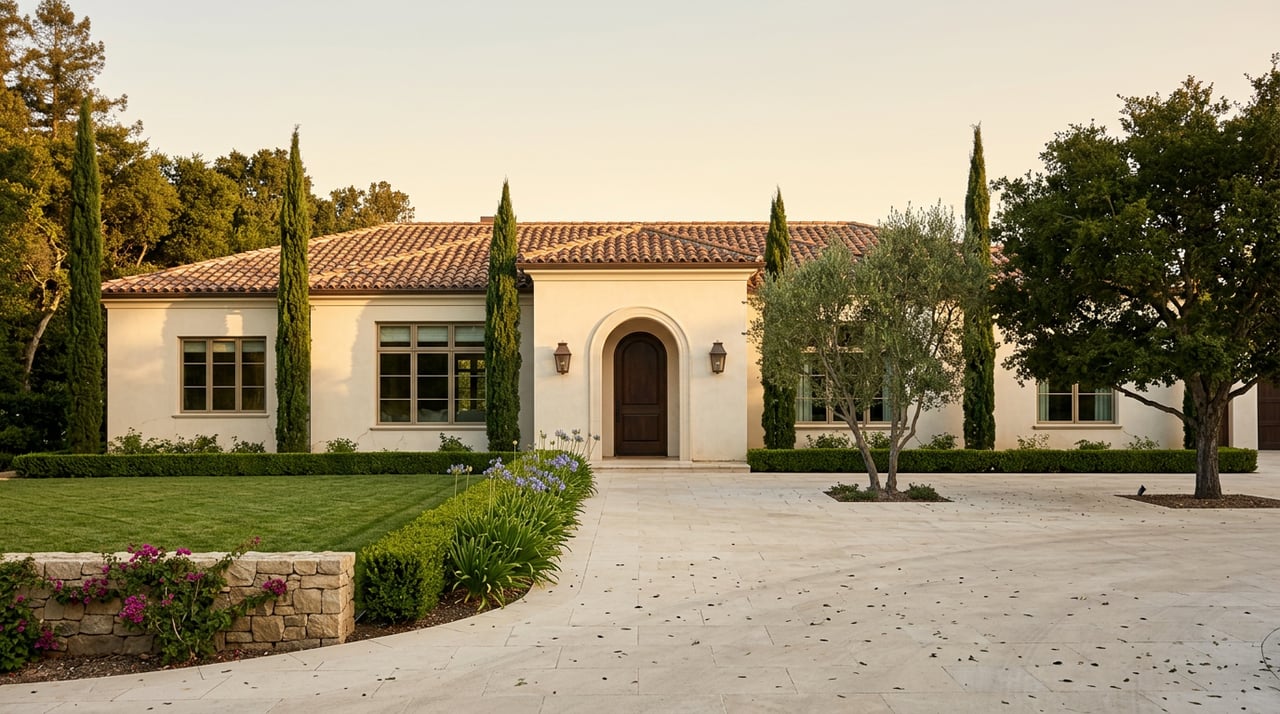
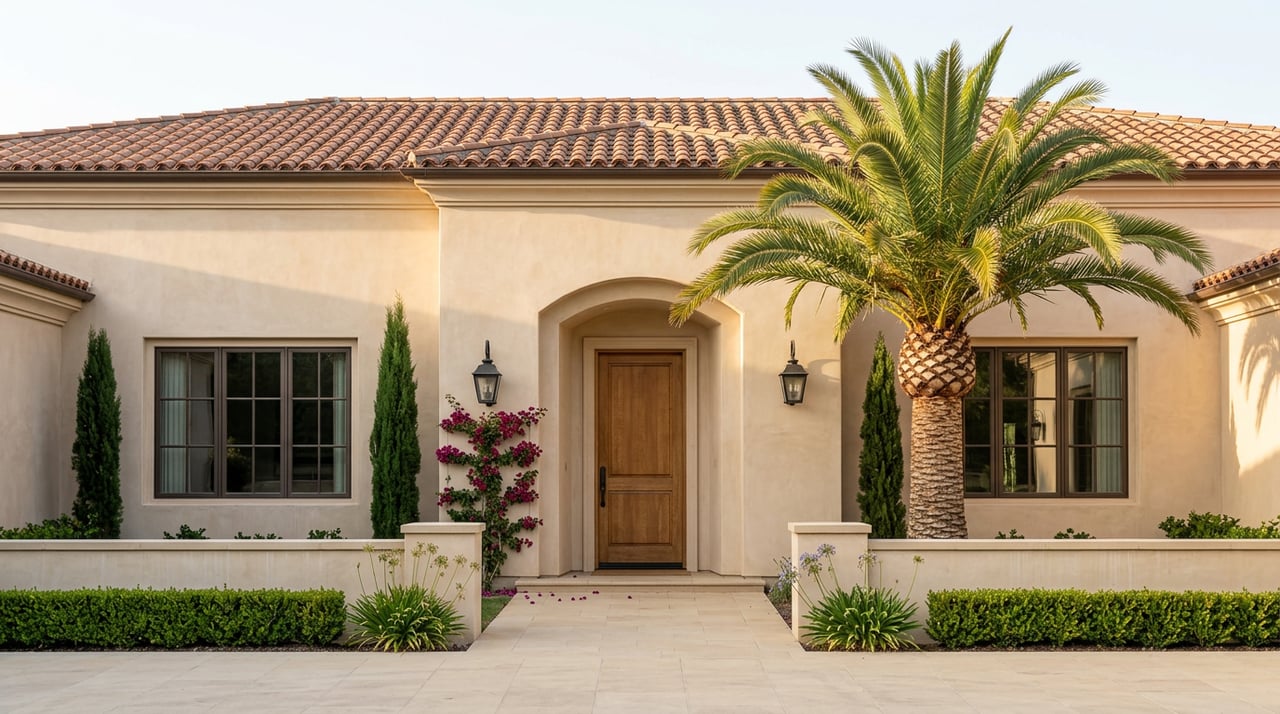
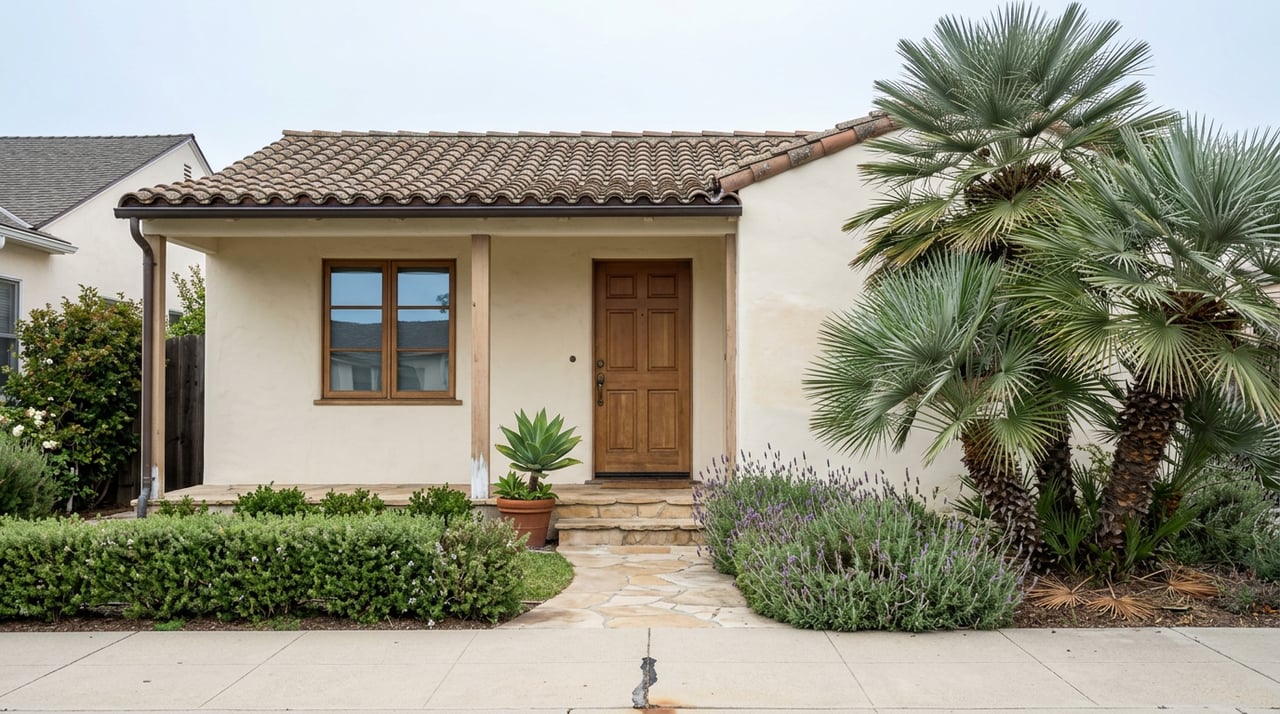
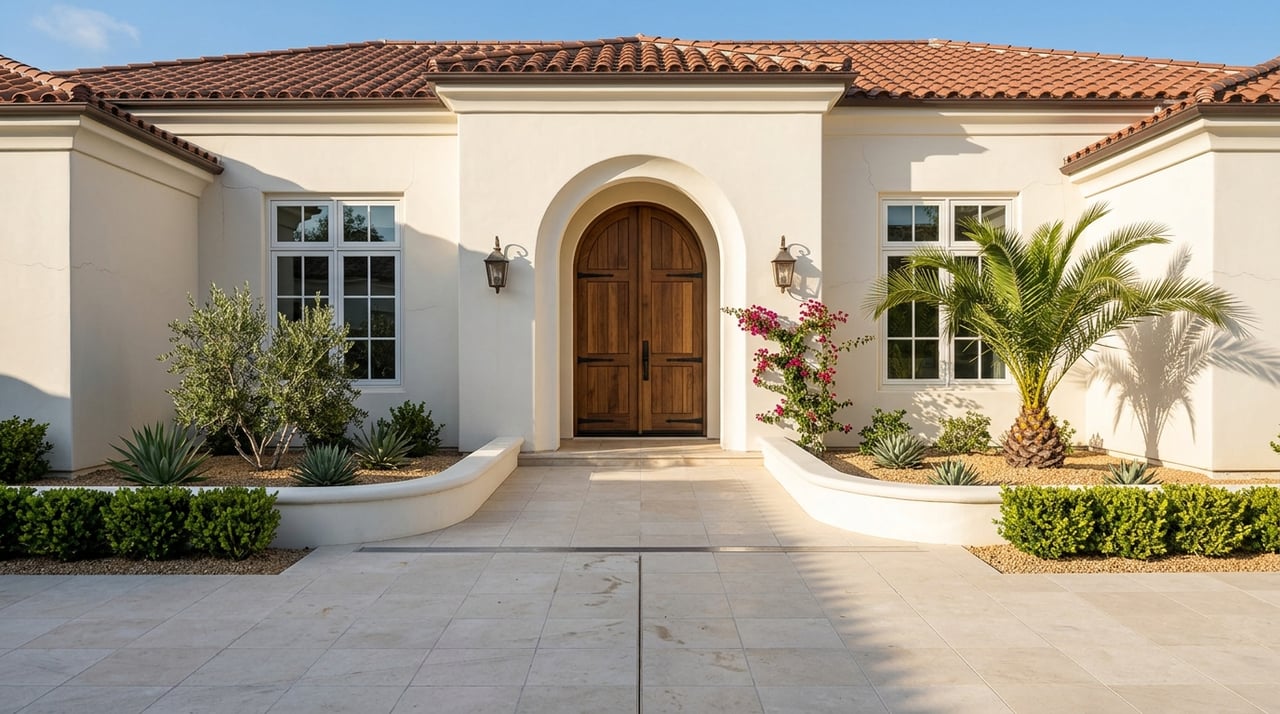
According to the La Jolla Historical Society, local historic fabric includes bungalow and beach cottages, 1920s Spanish Revival buildings, and midcentury modern work influenced by both California Ranch and International Style design. The society also notes that roughly 200 sites in the region have historic designation.
That architectural depth is visible in everyday places, not just private homes. The City of San Diego’s historic register includes the La Jolla Recreation Center, built in 1915 and designed by Irving Gill, along with Wisteria Cottage and the Bishop’s School Historic District, where Gill, Louis Gill, and Carleton Winslow are represented.
Near the shoreline, the Surf Shack at Windansea adds another recognizable layer to La Jolla’s identity. The city identifies it as a 1947 palm shelter and the oldest continuously used shelter of its kind on the West Coast.
Design Here Is Not One Style
One reason La Jolla appeals to design-focused buyers is that it does not ask you to fit into a single aesthetic. You can be drawn to a restored cottage, a Spanish-influenced residence, or a custom modern home and still feel aligned with the area.
That variety creates room for personal taste while still keeping a strong sense of place. In a market where provenance and setting often matter as much as square footage, that balance can be especially appealing.
For buyers who care about architecture, it also helps to know that La Jolla’s design story continues to evolve. The conversation is not frozen in the past. It is still visible in cultural campuses, public art, and modern coastal living.
UC San Diego and Scripps Add a Modern Layer
La Jolla’s design identity extends beyond residential streets. Scripps Institution of Oceanography sits on 177 acres overlooking the Pacific, and its campus includes a dozen architecturally and historically significant structures.
The campus also includes the Stuart Collection, which has commissioned more than 20 outdoor public sculptures. This matters because it reinforces something buyers often feel right away in La Jolla: art and design are woven into the setting, not treated as extras.
The Scripps Coastal Meander trail adds to that experience by linking the campus visually and physically to the coast between La Jolla Cove and Torrey Pines State Beach. If you value places where landscape, design, and movement come together, this part of La Jolla is especially compelling.
The Village Brings Culture Close to Home
For many residents, the Village is where La Jolla feels most connected and most walkable. San Diego Tourism Authority describes the Village as the town’s nexus, with Prospect Street and Girard and Herschel avenues lined with boutiques, galleries, and restaurants.
That concentration matters if you want your days to feel less car-dependent and more place-based. A coffee, a gallery visit, dinner with an ocean view, and an evening walk can all happen within a compact core.
The area also includes a recognized La Jolla Design District along Girard Avenue. Prospect Street, meanwhile, is described as a corridor of specialty shops, boutiques, antique emporiums, and art galleries, which supports the area’s appeal for buyers who appreciate visual culture in everyday life.
Art Is Part of Daily Rhythm
La Jolla offers an unusual density of cultural institutions for a seaside community. The Museum of Contemporary Art San Diego’s La Jolla flagship sits on Prospect Street with ocean views and expanded galleries, while the Athenaeum Music & Arts Library dates to 1899 and offers gallery spaces and intimate concerts.
La Jolla Playhouse also adds to the area’s creative energy through its close relationship with UC San Diego. Murals of La Jolla brings public art directly into the community through site-specific installations.
Even the monthly calendar reflects that arts presence. More than 20 galleries participate in La Jolla’s First Friday Art Walk, creating a recurring rhythm that extends beyond beach activity and reinforces the area’s creative identity.
Dining Reflects the Setting
In La Jolla, dining is often part of the design experience. The setting, the architecture, and the views shape the mood as much as the menu.
George’s at the Cove is known as an oceanfront dining destination on Prospect Street with seasonal local ingredients and broad Pacific views. NINE-TEN offers terrace dining in a casually elegant village setting on historic Prospect Street.
Duke’s overlooks La Jolla Cove and leans into ocean-view dining, while A.R. Valentien at The Lodge at Torrey Pines pairs Craftsman interiors with a patio overlooking the golf course. Together, these places show the range of environments available within and around La Jolla, from village energy to more secluded, design-forward settings.
Coastal Routines Define Everyday Living
The strongest case for La Jolla may be how naturally outdoor life fits into the day. The shoreline is not separate from daily routine. It helps define it.
La Jolla Cove is a small beach tucked between sandstone cliffs and is especially suited to swimmers, snorkelers, and scuba divers. The City of San Diego notes that summer visibility there can exceed 30 feet, which helps explain why the cove has such a strong draw.
La Jolla Shores offers a different kind of coastal experience. It is a roughly 1-mile sandy beach with the gentlest summer waves in San Diego and includes amenities such as fire pits, a playground, parking, showers, public transportation access, and permanent lifeguard coverage.
For buyers comparing daily lifestyle options, that contrast is useful. The Cove feels intimate and dramatic, while the Shores offers a broader, more open beach routine with added convenience.
Views, Trails, and Water Access
The outdoor rhythm often extends beyond the beaches themselves. Torrey Pines State Beach, located between La Jolla and Del Mar, is described by California State Parks as a bluff-backed beach with red-hued cliffs, iconic views, and a lagoon.
The Scripps Coastal Meander trail adds another way to experience the coastline, offering publicly accessible coastal views from La Jolla Cove toward Torrey Pines. These kinds of routes matter if you want movement, scenery, and access to feel built into your surroundings.
There is also deep continuity to La Jolla’s water culture. The annual La Jolla Cove Swim has been held almost every year since 1916, showing how long open-water swimming has been part of local life.
What This Means for Buyers
If you are searching for a home in La Jolla, it helps to think beyond style alone. The more useful question is how you want design, culture, and the coast to interact in your everyday life.
The Village and shoreline offer the greatest concentration of walkability, galleries, restaurants, and beach access. Hillside areas can offer more separation and elevated views, trading some convenience for a different sense of privacy and perspective.
For design-minded buyers, that distinction can shape your search in meaningful ways. You may be looking for architectural provenance, a lock-and-leave coastal base, or a home where art, dining, and ocean access are all nearby. In La Jolla, those priorities often align more naturally than they do in many other coastal markets.
Why La Jolla Resonates Long-Term
La Jolla’s appeal is not only visual. It comes from the way many elements work together at once: an established coastal setting, layered architecture, active cultural life, and daily access to beaches and views.
Because the community is largely built out, its sense of identity tends to feel durable. For buyers who care about character and continuity, that can be just as important as location.
In a market where truly distinctive places are limited, La Jolla continues to resonate with people who want a home that reflects both lifestyle and design values. If you are thinking about how to buy with that lens, working with a team that understands architectural story, neighborhood nuance, and the pace of the local market can make all the difference.
If you are exploring La Jolla with a design-first perspective, Kerry Appleby-Payne can help you navigate the community with local insight, thoughtful guidance, and a concierge-level approach tailored to exceptional coastal homes.
FAQs
What makes La Jolla appealing for design-minded coastal buyers?
- La Jolla combines layered architecture, a walkable village core, cultural institutions, ocean access, and established community character in one coastal setting.
What architectural styles can you find in La Jolla?
- According to the La Jolla Historical Society, the area includes bungalow and beach cottages, 1920s Spanish Revival buildings, and midcentury modern work influenced by California Ranch and International Style design.
What is daily life in La Jolla like near the coast?
- Daily life often centers on the shoreline, with access to swimming, snorkeling, beach walks, dining, galleries, and coastal trails all playing a role in the local routine.
What is the difference between La Jolla Cove and La Jolla Shores?
- La Jolla Cove is a smaller beach between sandstone cliffs that is especially popular for swimming, snorkeling, and scuba diving, while La Jolla Shores is a roughly 1-mile sandy beach with gentler summer waves and more family-oriented amenities.
What makes the Village of La Jolla important for homebuyers?
- The Village is the community’s central walkable core, with Prospect Street and Girard and Herschel avenues offering concentrated access to boutiques, galleries, restaurants, and cultural destinations.
Why does La Jolla feel more established than some other coastal areas?
- The City of San Diego notes that La Jolla is about 99 percent built out, so change usually happens through infill and careful redevelopment rather than large-scale expansion.