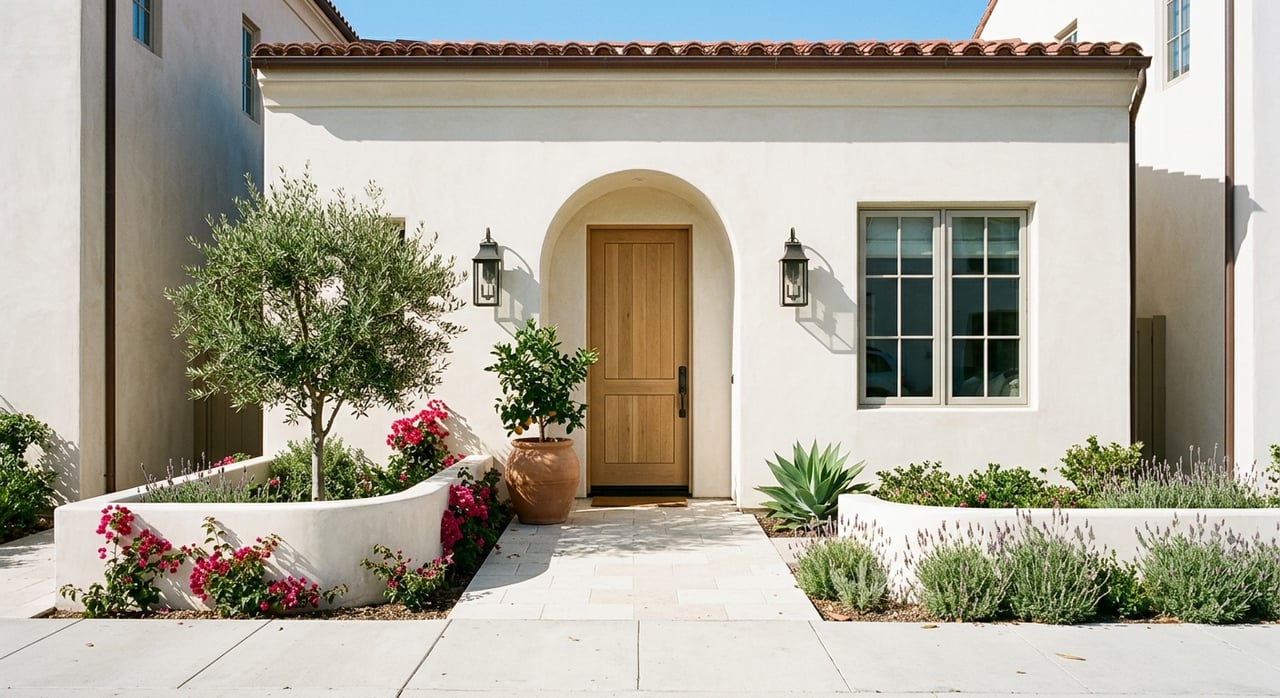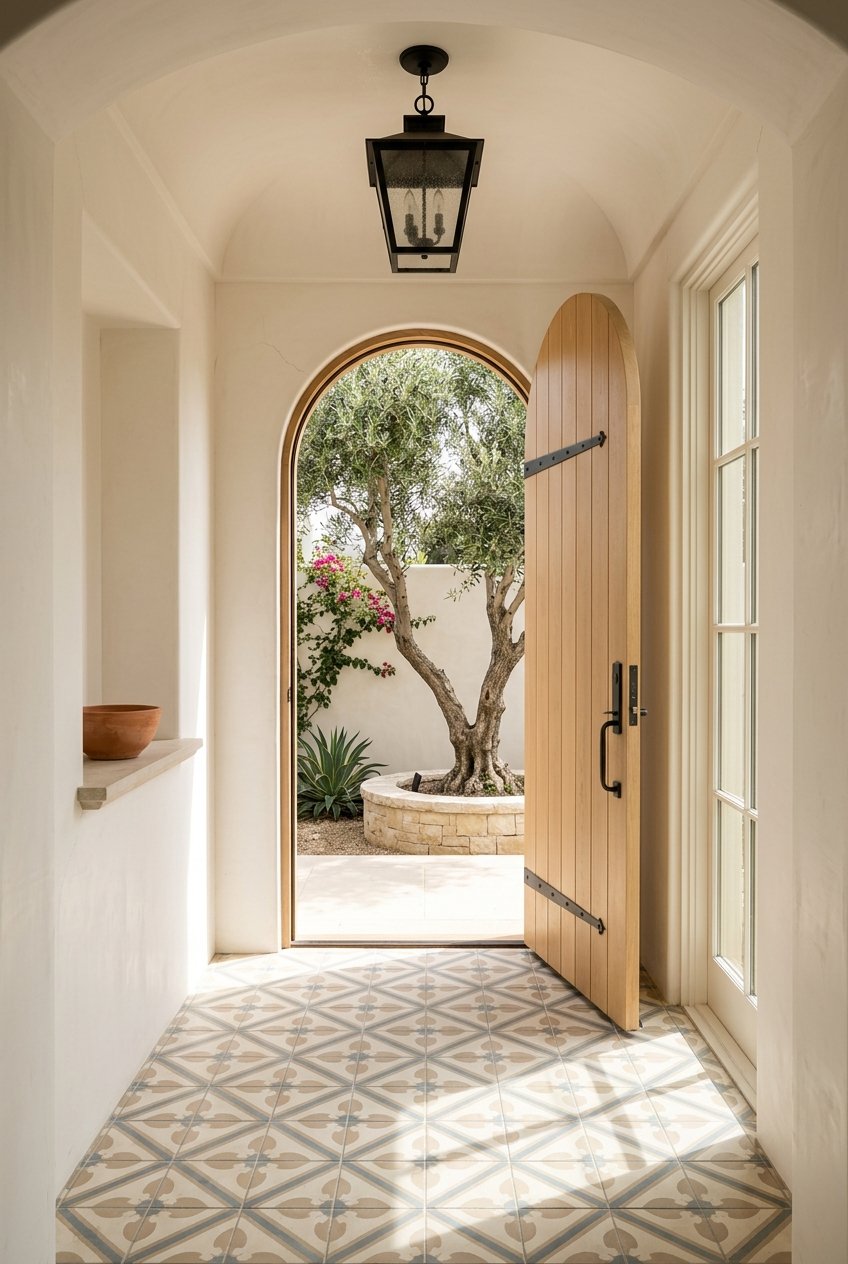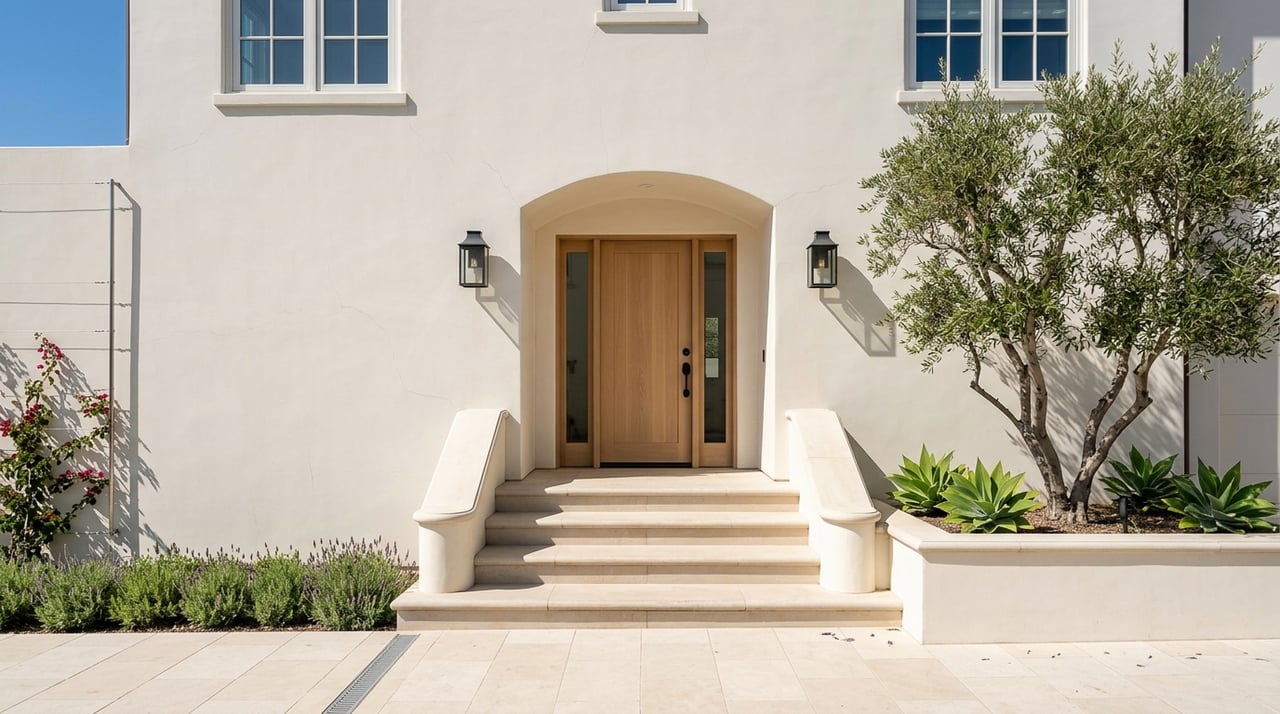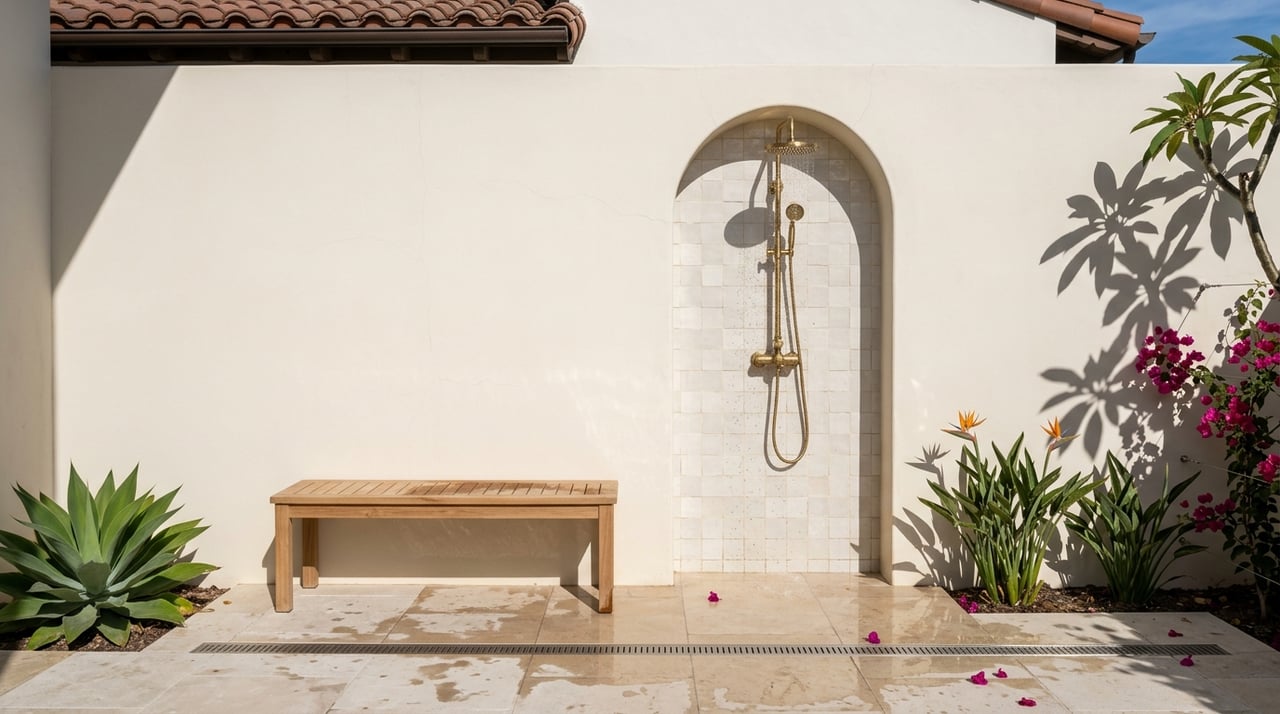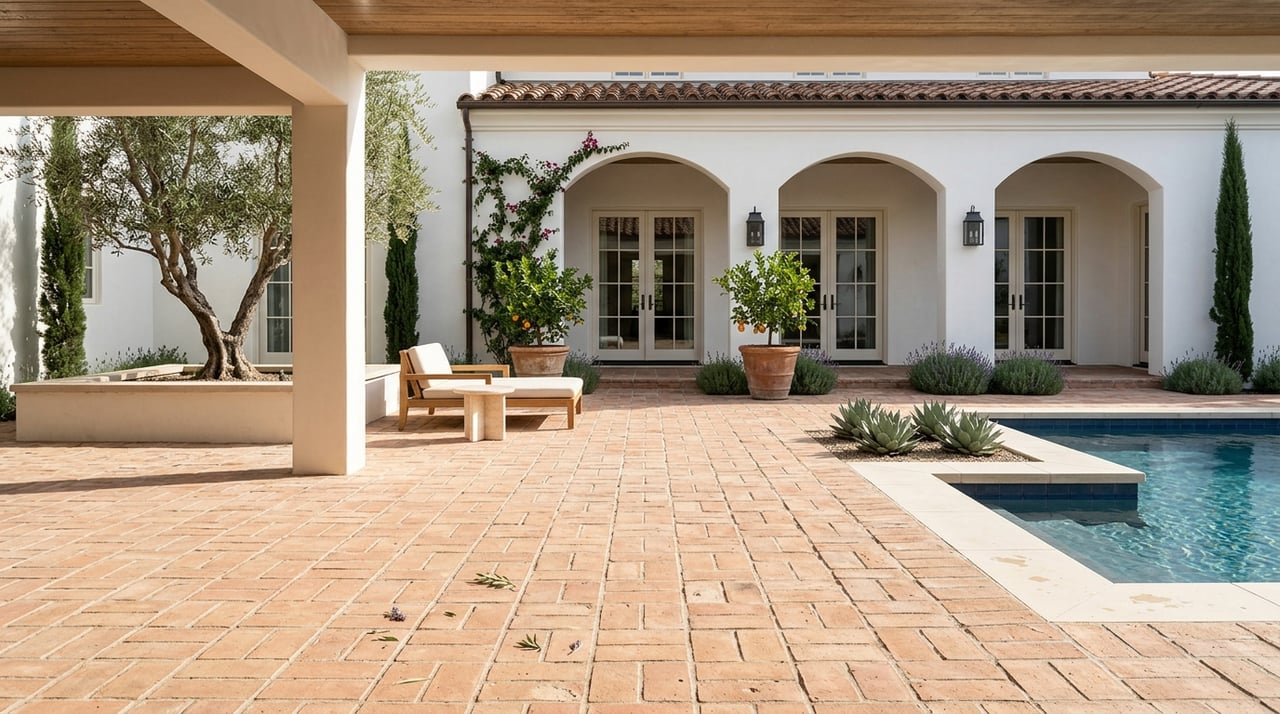
If you are thinking about selling an estate in Rancho Santa Fe, you already know this is not a standard listing. Between Association oversight, large-scale property preparation, disclosure requirements, and the expectations that come with a premium price point, success often comes down to planning well before the home ever goes live. The good news is that with the right sequence and guidance, you can bring your property to market with less stress, stronger presentation, and fewer surprises. Let’s dive in.
Why Rancho Santa Fe Needs More Planning
Rancho Santa Fe is a distinct estate market, not a typical suburban resale environment. The Rancho Santa Fe Association describes the Covenant as a framework designed to preserve landscape and future architecture, and the community spans roughly 10 square miles with about 4,300 residents.
That structure matters when you sell. The Association also operates building, planning, parks and recreation, and 24-hour security functions, which means listing preparation can involve more coordination than many sellers expect.
Pricing reinforces that point. As of May 31, 2026, Zillow reported an average Rancho Santa Fe home value of $4,383,809, 87 homes for sale, and a median list price of $5,259,000. At this level, buyers tend to look closely at condition, documentation, and ease of diligence, not just curb appeal.
Start 8 to 12 Weeks Early
For many Rancho Santa Fe estate sales, the smartest approach is to begin preparations 8 to 12 weeks before launch, and sometimes earlier. This allows time for approvals, contractor scheduling, disclosure assembly, and media planning without rushing important decisions.
That early runway can be especially helpful if you are considering exterior improvements. The Rancho Santa Fe Association’s architectural review process uses a submittal schedule, handles applications on a first-come, first-served basis, and may begin with a pre-application meeting in person or by video.
The Association’s permit and review categories can include repainting, windows and doors, grading, exterior remodels, retaining walls, fencing, gates, lighting, landscaping, and reroofing. In other words, even relatively straightforward refresh work should be checked before it starts.
Review Exterior Work First
Many estate owners want to freshen the property before listing. That may include paint touch-ups, gate repairs, landscape cleanup, lighting adjustments, or replacing worn exterior elements.
In Rancho Santa Fe, those choices should be reviewed through the lens of Association requirements before a contractor is booked. A repair or improvement that seems simple can still affect timing if it falls into a category that requires review or permitting.
This is one reason concierge coordination matters. When work is sequenced properly, you avoid spending money on the wrong item first or creating delays close to launch.
Shift to Inspections and Repairs
Once the broader preparation plan is in place, the next phase usually happens about 4 to 8 weeks before market launch. This is when your attention should turn to inspections, repairs, maintenance issues, and disclosure preparation.
The California Department of Real Estate says listing and selling brokers must conduct a reasonably competent and diligent visual inspection of accessible areas and disclose material facts affecting value or desirability that are not readily observable. The DRE also notes that buyers and sellers may wish to obtain professional advice and inspections.
For you as a seller, the practical takeaway is simple. If a defect, deferred maintenance item, or aging system is likely to surface during buyer diligence, it is usually better to evaluate it before photography and showings begin.
Address Issues Before Photography
In a luxury estate listing, professional media can elevate a property, but it can also spotlight every unfinished detail. Stained ceilings, worn exterior paint, damaged hardscape, tired landscaping, or incomplete maintenance can pull attention away from the home’s strengths.
Handling obvious issues before media day often leads to a cleaner launch. It can also help buyers focus on architecture, scale, grounds, and lifestyle instead of building a mental list of future projects.
This is particularly important in Rancho Santa Fe, where many homes are highly individualized. Buyers are often evaluating not only beauty, but also how well the property has been cared for over time.
Order Documents Early
One of the most common mistakes in an estate sale is waiting too long to gather documents. In Rancho Santa Fe, that delay can create avoidable friction once a serious buyer starts asking questions.
The California Transfer Disclosure Statement, or TDS, is a condition disclosure rather than a warranty. The DRE says the seller and any broker or agent involved participate in the process, and the form should be delivered as soon as practicable before transfer of title.
Timing matters. If a disclosure or amended disclosure is delivered after an offer or purchase agreement, the buyer has three days after in-person delivery or five days after mailing to terminate, according to the DRE. That is one more reason to prepare a complete file early rather than react after negotiations begin.
Understand Association Packets
If your property is part of a common interest development or has association resale requirements, California Civil Code Section 4525 requires the owner to provide a package of documents. These can include governing documents, current assessment information, notices of unresolved violations, approved assessment changes, meeting minutes if requested, and for applicable properties, the most recent exterior elevated elements inspection report.
California Civil Code Section 4530 says the association must provide requested documents within 10 days of a written request. That timeline may sound manageable, but in practice, it is still best to request these materials early.
For an estate seller, this is less about paperwork for its own sake and more about buyer confidence. When documents are organized and available, diligence tends to move more smoothly.
Prepare Key California Disclosures
Depending on the home, your disclosure package may include more than the TDS and association materials. California natural hazard disclosure rules cover mapped flood, fire, earthquake-fault, and seismic-hazard zones, and the DRE says these disclosures must be made on the Natural Hazard Disclosure Statement or an equivalent local form where applicable.
For homes built before 1978, federal law requires disclosure of known lead-based paint or lead hazards before contract signing. That includes available records and reports, a lead warning statement, the EPA pamphlet, and a 10-day buyer inspection period.
The DRE also notes that sellers may need to disclose Mello-Roos special taxes where applicable. It further notes that property tax law in California can create supplemental tax bills after a change of ownership, and those bills are not mailed to the lender.
Consider Fire Clearance Issues
In parts of San Diego County, defensible space can be a relevant part of pre-sale preparation. If a property is in a high or very high fire hazard area, CAL FIRE guidance is especially worth noting.
According to CAL FIRE, San Diego County requires 50 feet of clearance in Zone 1 and offers a real-estate defensible-space inspection request. For a Rancho Santa Fe estate with extensive grounds, this can be an important item to review before launch.
It is a practical step that supports both presentation and diligence. Well-managed grounds often communicate care, while deferred vegetation management can raise concerns during buyer review.
Stage Selectively for Impact
Large homes do not always need every room staged to be effective. In fact, selective staging is often the more strategic choice, especially when the goal is to highlight the spaces that shape first impressions and emotional connection.
The National Association of Realtors’ 2025 Profile of Home Staging found that 83% of buyers’ agents said staging made it easier for buyers to visualize a property as a future home. The same report found that buyers’ agents ranked photos, physical staging, videos, and virtual tours as highly important listing assets.
That research also identified the living room, primary bedroom, and kitchen as the most important rooms to stage. For a Rancho Santa Fe estate, that supports a thoughtful approach that emphasizes key gathering and retreat spaces rather than staging every corner equally.
Time Media After Prep Is Done
In the final 1 to 3 weeks before launch, staging and media should be locked in after repairs and cleaning are complete. This may sound obvious, but timing is everything.
If photography or video happens too early, you may need reshoots. If it happens too late, your launch can lose momentum while final details are still being handled.
For a luxury property, media is more than documentation. It is the first showing for many buyers, especially remote buyers, so the property should be fully prepared before that story is captured.
Build a Clean Launch Package
The strongest estate launches usually include a complete, easy-to-review file set. Based on the DRE guidance and the practical needs of luxury buyers, that often includes:
- Transfer Disclosure Statement
- Agent visual inspection disclosures
- Natural Hazard Disclosure Statement
- Lead disclosures if applicable
- Association or HOA documents
- Tax and assessment records
- Permit history
- Pest or roof reports, if available
- Service logs and maintenance records, if available
A well-organized package does more than answer questions. It shows that the home has been prepared with care and that the sale is being managed professionally.
Why Concierge Coordination Matters
In Rancho Santa Fe, bringing an estate to market is rarely just about setting a price and scheduling photos. It often means sequencing approvals, contractors, inspections, disclosures, staging, media, and access in the right order.
That is especially valuable if you are busy, own the home part-time, or live elsewhere. A coordinated process can reduce interruptions, protect your timeline, and keep the property’s story consistent from preparation through launch.
For legacy homes and high-value estates, that level of stewardship matters. Buyers notice when a property feels thoughtfully presented, and sellers feel the difference when complexity is managed calmly behind the scenes.
If you are preparing to sell in Rancho Santa Fe, the most effective first step is often a private planning conversation about timing, improvements, documentation, and launch strategy. For tailored guidance and concierge-level support, connect with Kerry Appleby-Payne.
FAQs
What makes selling a Rancho Santa Fe estate different from a typical home sale?
- Rancho Santa Fe estate sales often involve more coordination because of Association oversight, larger and more customized properties, extensive grounds, and a higher level of buyer diligence around condition, documentation, and presentation.
When should you start preparing a Rancho Santa Fe home for sale?
- A practical timeline is usually 8 to 12 weeks before launch, or longer if the home needs exterior improvements, Association review, permits, repairs, staging, or document collection.
What Rancho Santa Fe exterior updates may need review before listing?
- Based on the Rancho Santa Fe Association process, items such as repainting, windows and doors, grading, exterior remodels, retaining walls, fencing, gates, lighting, landscaping, and reroofing may need review or permitting.
What California disclosures matter when selling a Rancho Santa Fe property?
- Common disclosures may include the Transfer Disclosure Statement, Natural Hazard Disclosure Statement, association documents where applicable, lead-based paint disclosures for pre-1978 homes, and other property-specific documents required by California rules.
Why should Rancho Santa Fe sellers gather association documents early?
- Early collection helps avoid delays during buyer diligence and supports a smoother transaction, especially because required resale materials can include governing documents, assessments, violation notices, and other records.
Which rooms matter most when staging a Rancho Santa Fe estate?
- The 2025 home staging research cited living rooms, primary bedrooms, and kitchens as the most important rooms to stage, making those spaces a smart priority for selective, high-impact preparation.
Why is a complete launch package important for a Rancho Santa Fe luxury listing?
- A complete package helps buyers review the property with confidence, reduces back-and-forth during diligence, and supports a smoother path from interest to offer.